Takeaways from conferences, reflections on building, and lessons from the AI product landscape.
Why Your People Skills Are About to Become Your Most Valuable Technical Skill
What incumbent product teams can learn from the most aggressive AI pivot I've heard described firsthand.
Forget network effects. Forget data moats. In AI, the only defensible advantage is moving faster than everyone else.
Berkeley's AI leaders described a future where engineers make product decisions and PMs become directors of the movie. Here's what that actually means.
Box's CTO on why the failure rate of enterprise AI projects is exactly what you'd expect, and what to do about it.
Aakash Gupta's fast-paced masterclass at Berkeley ProductCon on using AI to do the work of an entire product org.
I was firmly anti-AI. Then I found a reason to build something that actually mattered to my community.
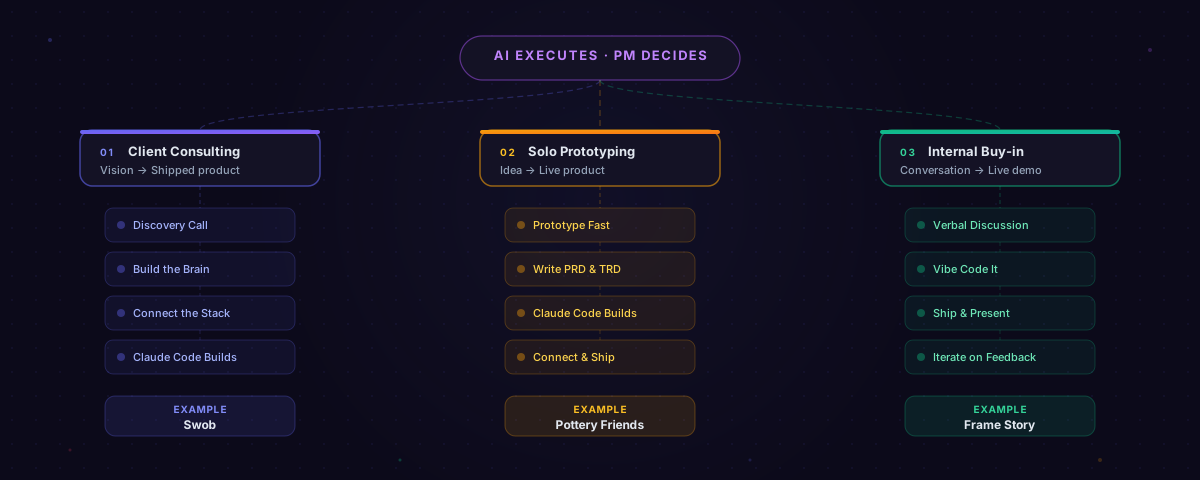
I don't use AI to write PRDs faster. I use it to build entire products. Here's the system behind every project on this site.
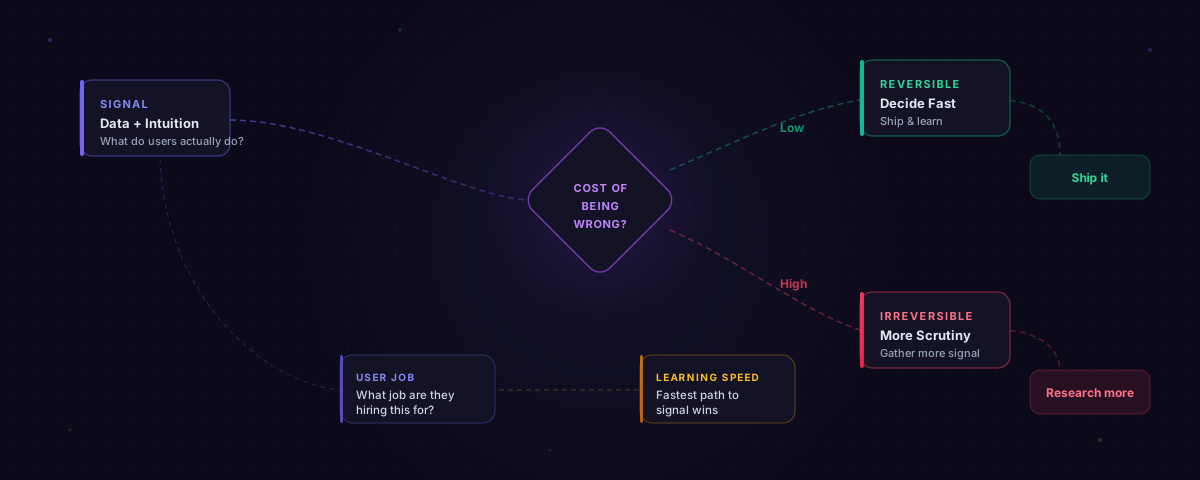
The framework I use when data says one thing and intuition says another, illustrated by a real pivot.
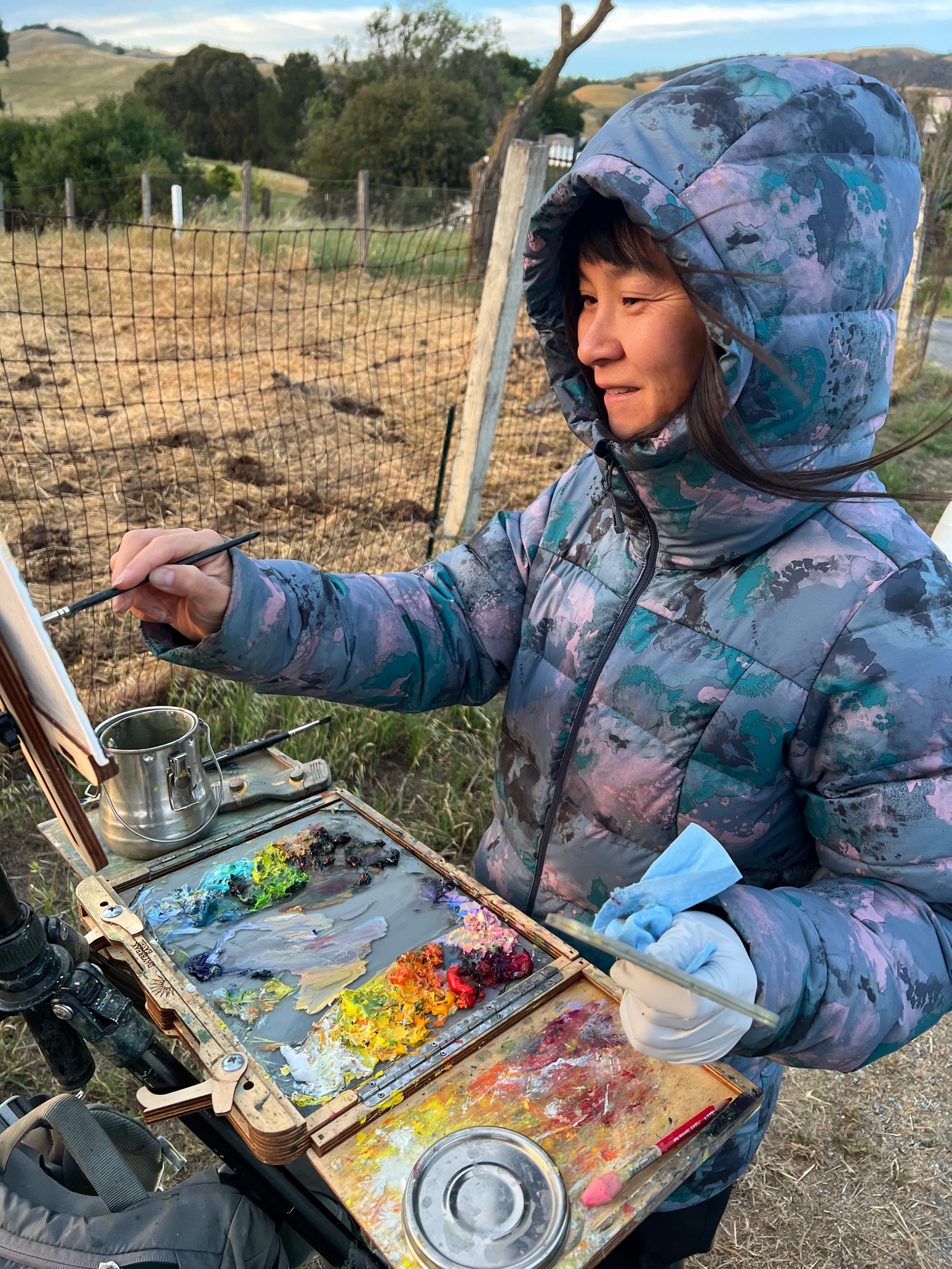
On navigating career setbacks, supporting your partner’s art, and finding strength in the chaos.
What people don’t talk about enough: having a team that fits your product, not the other way around.
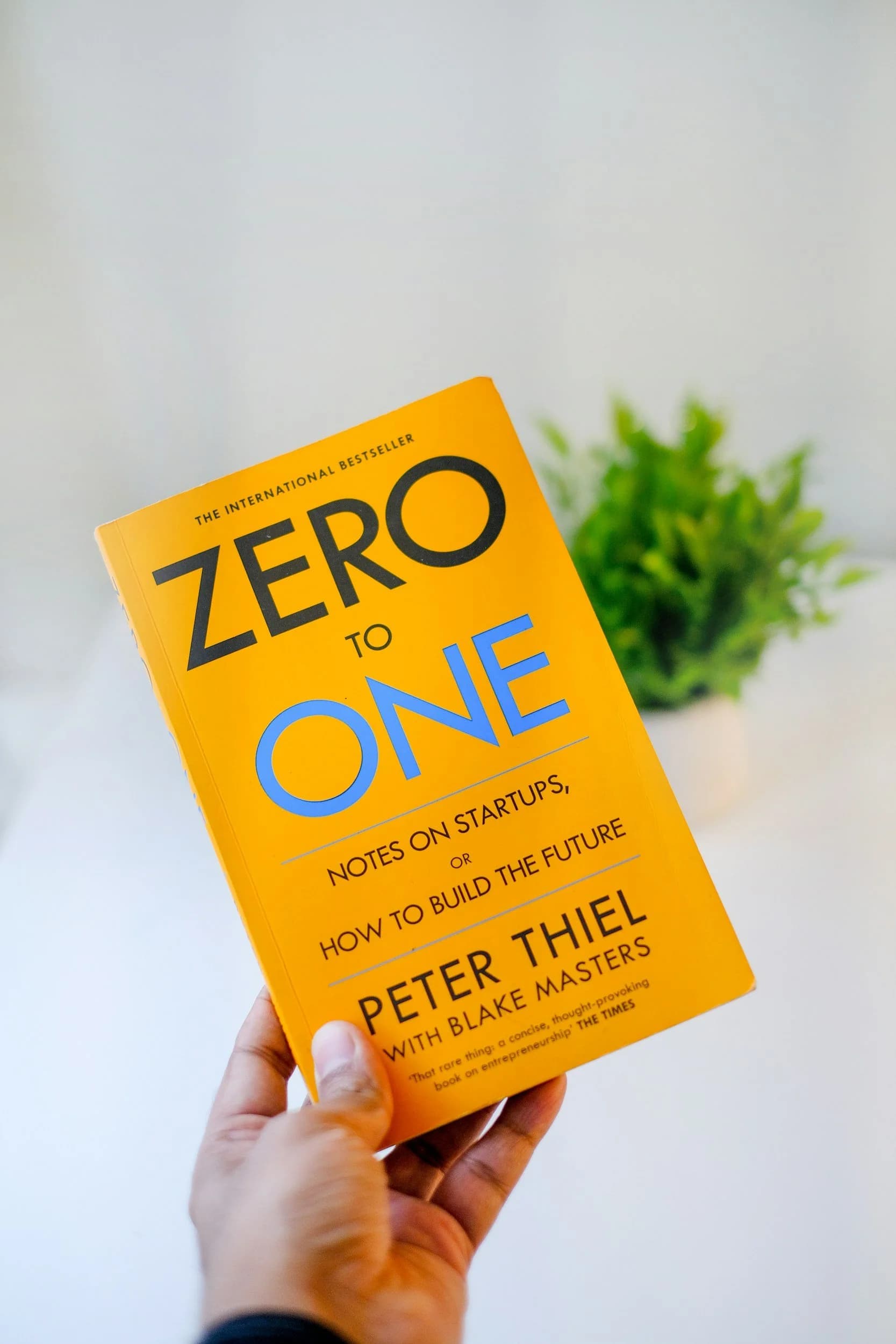
The books, frameworks, and four-phase system I use to prepare for product manager interviews.
How I stay grounded during economic uncertainty: small, practical tools anyone can use.
The step-by-step process I use to pitch game projects, from competitive analysis to the ask.
After a year of facing my fears head-on, here’s what happened, from my first flight in a decade to Hawaii.
Most things die before they even become an MVP. Here’s how to survive the messy middle between idea and prototype.
I found my pre-internet photo archives under the bed. Here are the life lessons hiding in those old film rolls.
What happens when rejection becomes your daily routine, and how starting Side Quest Games changed everything.
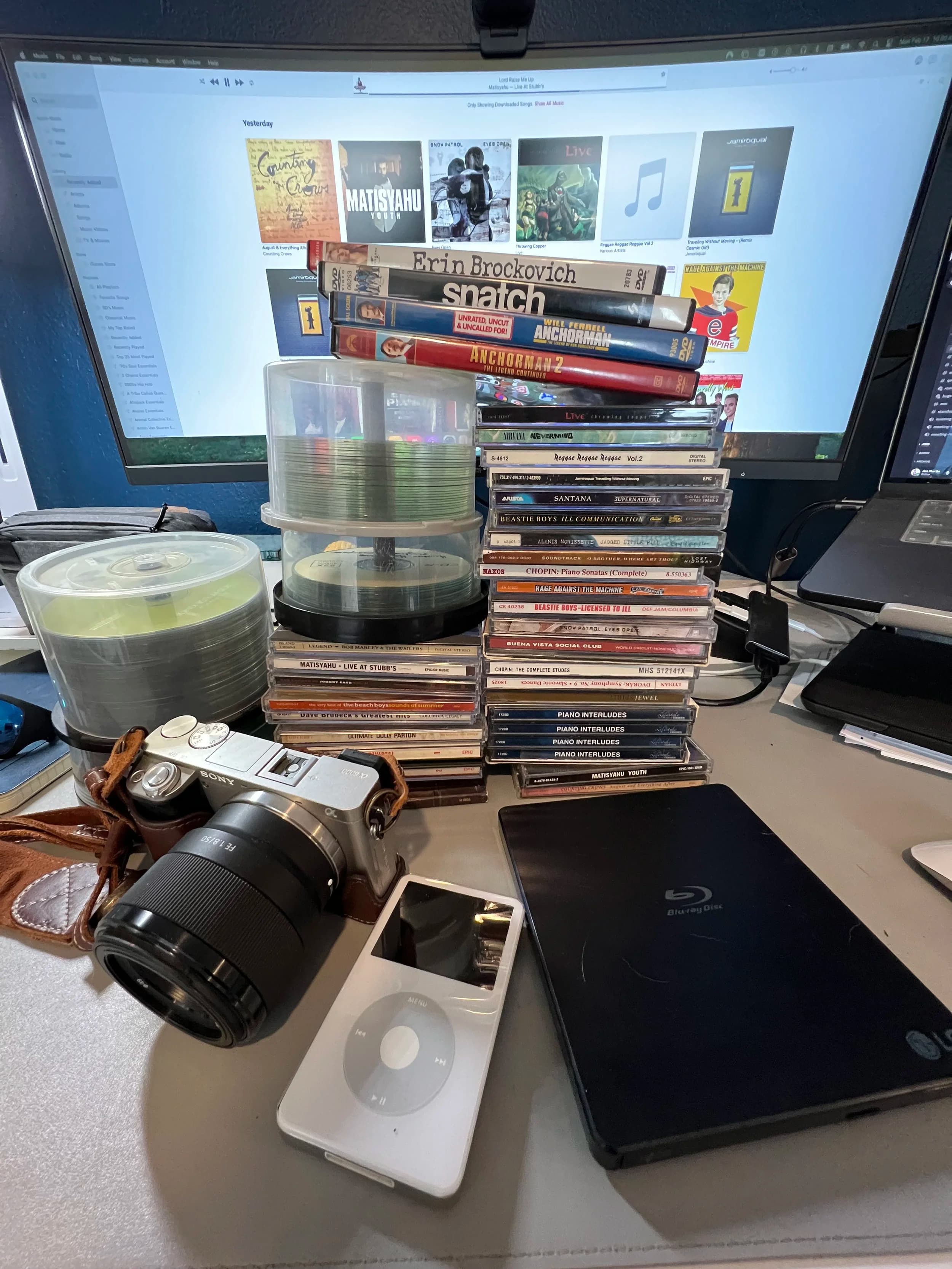
What if we ditched the algorithms, bought CDs again, and got lost without GPS? I’m trying it.
A quick shameless plug for my new ceramics website: pottery, glazes, dogs, and all.
How I lost my creative identity during my tech career, and how pottery, writing, and Rick Rubin helped me find it again.
How I went from barely leaving the house to logging 372 hours of activity, and finally got my mental health back on track.
From COVID pivots to crypto to stillness. Five years of career moves, lessons learned, and building with my hands.
Why we need to stop relying on two-page documents to identify talent, and what I’m doing instead.
Bruce Lee’s philosophy helped me navigate the hardest month of my life, here’s what I learned about making space for growth.
On career storytelling, messy resumes, and why every team needs someone who’s been drinking bitter soup for years.
Why our culture looks down on trying new things at 40, and the neuroscience that says we should do it anyway.
The survival guide I wish I’d had: real talk on founder delusion, burnout, and why frameworks don’t scale down.
The playbook for pivoting an incumbent product to AI-first, from the people who actually did it.
GitHub Next's thesis on why chatbots are a transitional form, not the destination.
Snowflake's three-pillar framework for deciding when and how to apply AI in any organization.
How a flat org, relentless experimentation, and hiring for dopamine are beating Google at search.
How AI product teams actually plan when your January roadmap is obsolete by March.
Box's CTO on the shift from doing work to managing AI that does work, and why it changes everything.
How AI answer engines are disrupting traditional discovery and what it means for every product builder.
Why every leader at the conference said the same thing: the best career move is to ship something.
A deceptively simple mental model for understanding what users actually want.
The case for being a jack of all trades, and why 'master of none' is no longer the ending.
Using AI to speed-run domain expertise, and landing a major UCSF partnership in the process.
GitHub Next's hard-won lessons on why prototypes die when they leave the lab, and how to prevent it.