
1. The Internal Conflict: Swallowing My Pride
A friend of mine mentioned something to me in passing the other day that caught me off guard. He told me the story of how I've been trying to help my local pottery studio was "compelling and inspiring." Hearing that made me realize it was time to get these thoughts out of my head and onto the page.
For months, I've been firmly in the "anti-everything" camp when it came to AI. I haven't just been skeptical; I've been vocal about the real-world mess this technology creates. I'm talking about the way data centers are being dropped into local communities, the environmental toll they take, and the hard truth that the people working today—the actual humans behind the labor—often aren't the ones benefiting from these shifts. Not to mention the mental health drain of being tethered to products designed to keep us scrolling. I'm painfully aware of all of it, and I'm guessing you are too.
To move forward, I had to swallow my pride. I realized that if I was going to touch this stuff, I had to do it on my own terms. I needed an ethical framework—a personal manifesto—to keep me grounded:
- It has to actually do some good: No building just for the sake of the tech. It has to have a positive, tangible purpose.
- Support the people who support me: The project must serve a community that has already poured value into my own life.
- Focus on the craft, not the screen: The goal is to help my friends get better at their skill, stay connected, and build deeper relationships, not just waste time online.
2. The Mission: Technology in Service of Craft
The pottery studio is my sanctuary. It's done wonders for my mental and physical health, giving me a place to work with my hands and clear my head. While I know that building a digital app isn't exactly "saving the world" in the grand sense, it's a way to give back to a community that works in clay and fire. They needed a better way to stay in touch than the fragmented tools we were using.
“I wanted to build something that would help them just stay connected and be better at their skill and their trade and maybe make better relationships with each other or plan events that they had really great times at.”
3. Entering the World of "Vibe Coding"
I am not an engineer. I've spent my life around tech, but I don't sit down and write raw syntax from scratch. However, I recently attended a conference where I saw a way through. They called it "vibe coding."
Definition: Vibe Coding is a process of building software where you essentially type in descriptions of what you want and a tool spits out a semi-functional version of the code. You're coding based on the 'vibe' of the desired outcome rather than the manual labor of the language.
Honestly? The name makes me cringe. We've got to come up with something better than that. But despite the terminology, I decided to jump in head first. I stopped worrying about the "right" way to be a developer and started focusing on the output.
4. The Holiday Sprint: Relentless and Obsessed
If you've ever worked with me, you know I don't really have a "low gear." When I decide to learn something, I get pretty obsessed. Over the holiday break, while most people were relaxing, I went into a bit of a manic tunnel-vision mode. Building a full-scale social app in a few weeks is probably more ambitious than any normal person should attempt, but I've never been particularly normal.
I didn't want a "lite" version; I wanted the whole kiln. I pushed the tools to help me build Enterprise-Level Features that I never thought I'd be able to create on my own:
- Robust onboarding systems
- Secure email invite functionality
- Full account creation and user management
- Real-time integrated messaging
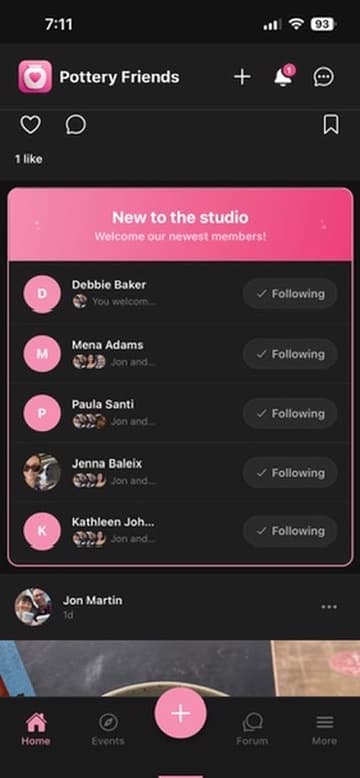
Onboarding
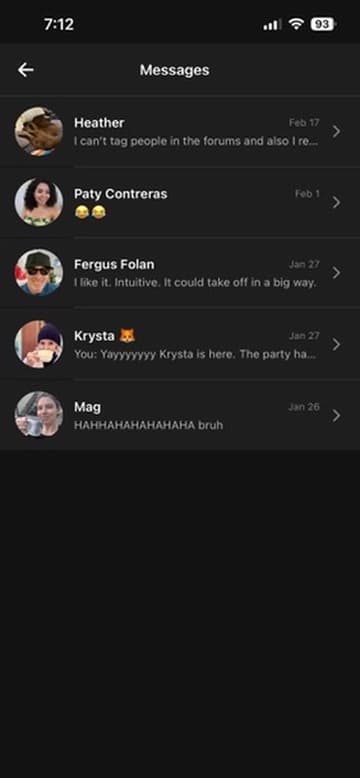
Messaging
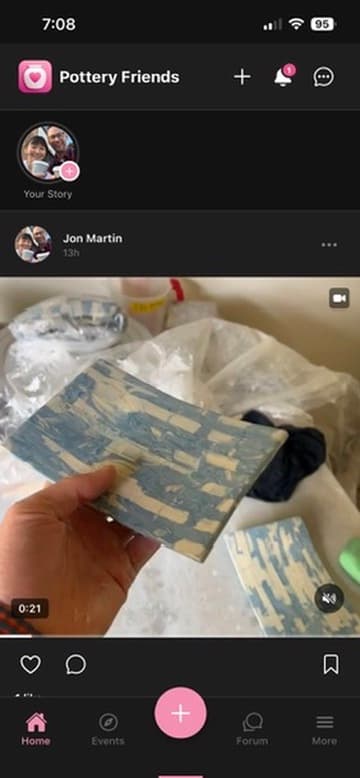
Social Feed
5. From Prototype to Functional Platform
The transition from a holiday experiment to a real tool happened in the studio. I'd bring the latest build to my fellow potters, gathering feedback right there at the wheel. I listened to my wife's insights and watched how people actually touched the interface. I even tucked some telemetry into the back end so I could see where people were getting stuck.
What started as a "vibe" turned into a full-fledged product that actually works. It has the features people expect from the tech giants, but it's built for us.
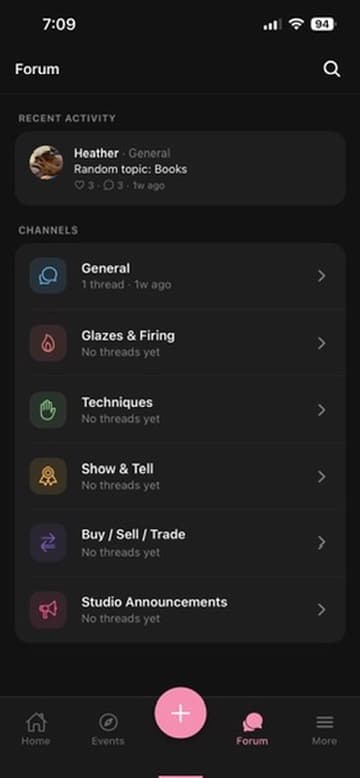
Forums
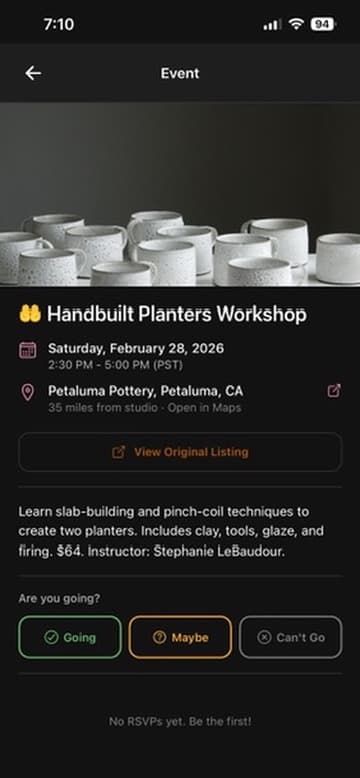
Events
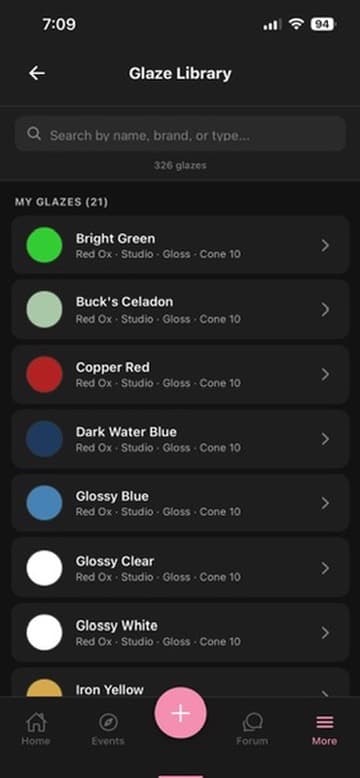
Glaze Library
- Social Features: Messaging, account creation, and social sharing
- Functionality: 90% parity with the core features of Instagram, Facebook, and TikTok
- Monthly Cost: Approximately $100/month to run (excluding my own "sweat equity")
6. Conclusion: A Call to Create Value
Building this app taught me a hard lesson: it is incredibly easy to stay in the "anti-everything" corner. It feels safe to be a critic. But it is infinitely more gratifying to actually build something that adds value to someone's day. I didn't do this to become an AI expert; I did it to protect and serve a community I love.
Even if these tools aren't your favorite thing to learn, they might be the best way for you to help a friend, support a local group, or just make something for yourself. Don't let the "cringe" or the skepticism stop you from being useful.
Go build something that matters to your people. Use it for good.