
One night at dinner, Chris DeWolfe, the CEO of Jam City at the time, asked me, "How did you get to be so quant?"
I had no idea what he meant. "What do you mean, quant?"
He clarified: "Quantitative."
I was caught off guard. I never really thought of myself as a quant guy, so I didn't know how to respond. All I could do was bashfully say, "Well, my dad was in finance, so maybe that's why. I've been exposed to it most of my life, and I love data."
That was true. It just wasn't the real answer. The real answer is that I practiced, over and over, doing work nobody was paying me for.
The Intern Who Stayed Late
Before I was a product manager, I was an artist. I started at Zynga as an art intern. I was in school for graphic design and building websites on the side, and Zynga was tiny then, maybe a hundred people. I got paired with the creative director of the mobile games group, which at the time was building a game for the very first iPhone.
A few years into working with him, he told me something I didn't expect to hear from an artist: pivot into business.
So I did the only thing I could think of. I stayed late.

Getting into Zynga on the business side was brutally competitive back then, and the product managers were the best of the best. Harvard. Big financial institutions. Just really, really sharp people. I wanted to be like them, and whatever they were doing looked like the path to success. They were always there late. Somebody was in a code red, or somebody had a numbers report due the next morning. So that's where I was too.
In the evenings, when things got quiet, a few of them agreed to give me ten minutes and teach me something.
That's how I started doing reports in FarmVille. I learned which numbers mattered and which ones people actually used. Every number had its own name, and I memorized all of them. Some came from business school, some from finance, and some the games and tech industry was making up as it went. Corporate lingo, basically, but it was the language decisions got made in.
They shared spreadsheets with me. I started building reports for different features. By then I was doing some game design, and the design team needed numbers, because we were responsible for reporting our feature impact to the business. That actually helped the product team. They had more data than they could get through, so the game designers picked up the reporting.
Breaking Things at Jam City
At Jam City, I built all the initial reports for the game I worked on. I taught myself Tableau, and another PM taught me SQL and helped me write queries.
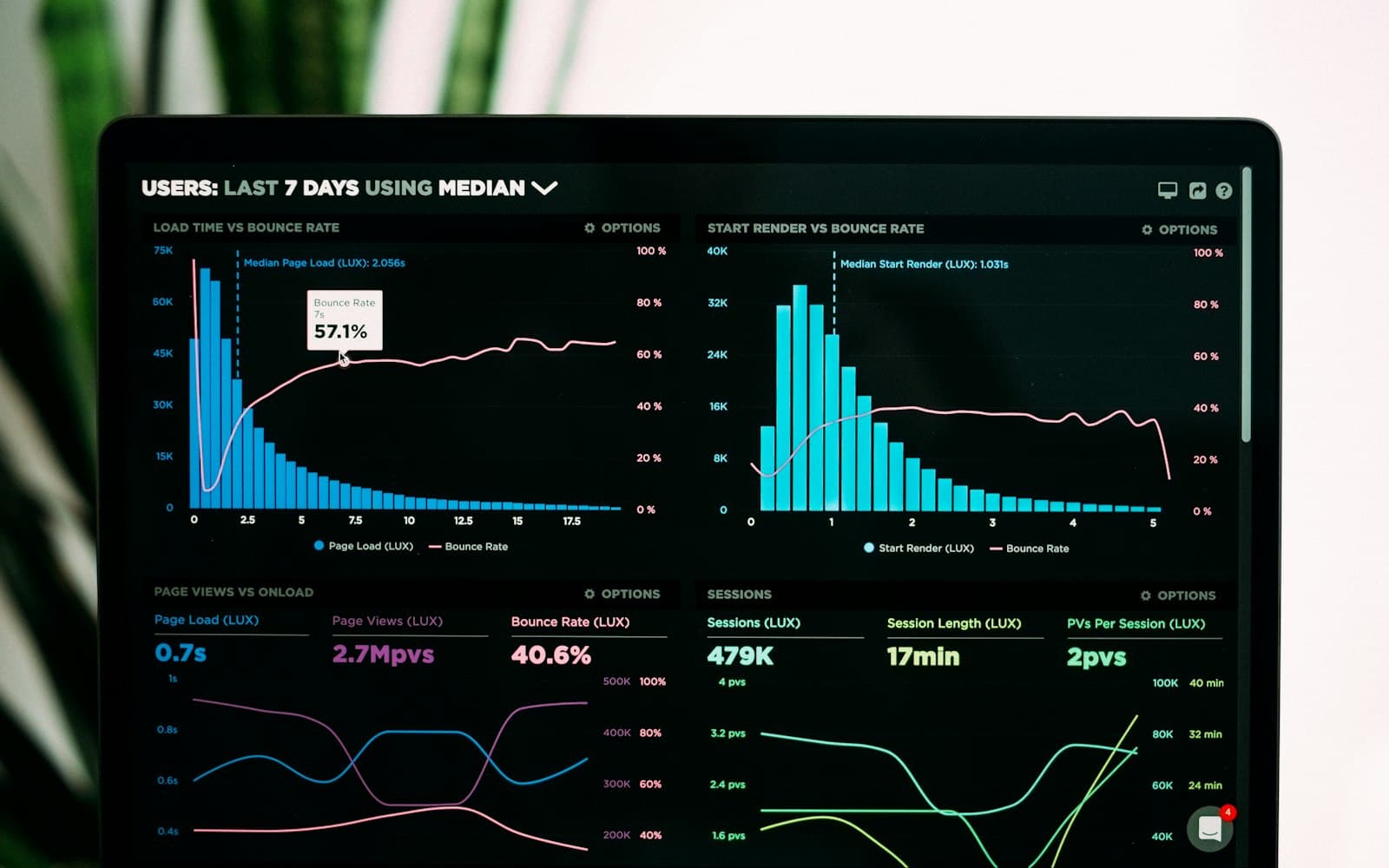
I got in trouble a few times, because those queries were poorly architected. The data scientists had to stop them because they were slowing down the entire system. Lol.
You've got to just try things out, even if you fail miserably. That's what practice is.
It Was Never Free
Here's the thing about all those late nights: I was on salary, not hourly. When you stay late, work outside your scope, or do the thing nobody asked you to do, that's extra work nobody is paying for. I call it free work, and it's followed me my whole life. I'm an infinite learner, and free work is how I learn.
It was never actually free, though. Every late night and every query that crashed the system was a rep. It was experience. It just didn't look like it at the time.
Never Skip a Day
That habit didn't stop when the paychecks did.
I've been looking for a job for two years now. I've taken some consulting work and some part-time stuff. The bull market is not here. We're in bearish times, and unless you're an AI researcher or somewhere else that's seeing a huge surge, you've probably felt it.
Even if you have a job right now, you need to be really scrappy. Everybody is working more and harder than they used to, and a lot of talented people are looking for work, especially in gaming. To stay competitive at that level, you have to keep learning constantly.
That's why staying sharp matters so much, especially if you're unemployed. Doing work every day is practice, and practice is essential for career success.
I think about work the same way I think about training: never skip a day. I probably do this to a fault. We do need rest, of course. But when I'm not working, I generally rest more than I need to, so it's essential for me to keep my skills sharp.

I still wake up at 4:45am every day. I work out very hard, I listen to nonfiction books on my morning walk, and then I get to work at 9am sharp. I have a full 40-hour week I could fill with things that need doing. They just aren't paid yet.
I'm constantly building, testing out new projects, talking to people, networking, and doing sales calls. Even if it's all for a small indie game, it's still practice. And if it touches real customers, it pays off in a bunch of ways that aren't money. I can iterate on it. I make new connections. It might go in my portfolio, or it might become the story I tell in an interview.
What That Looks Like Right Now
Cluck: Escape the Line. A 3D puzzle-platformer from a small indie team. I build plans and roadmaps for them, built their whole go-to-market website, do some coaching and leadership, and connect them with industry leaders who know things I don't. All of it is pro bono right now, and I genuinely don't care, because I know it's an investment in my future.

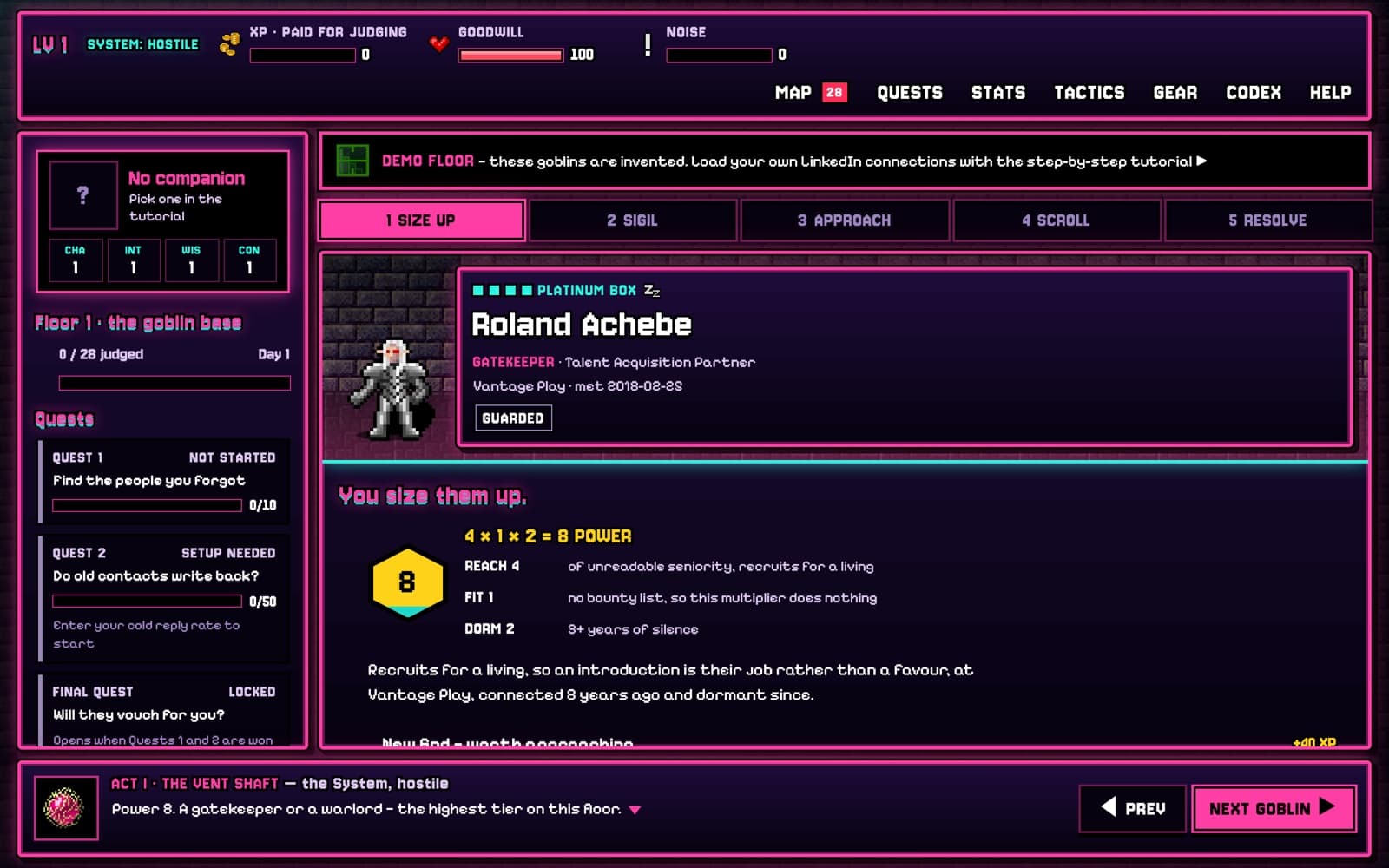
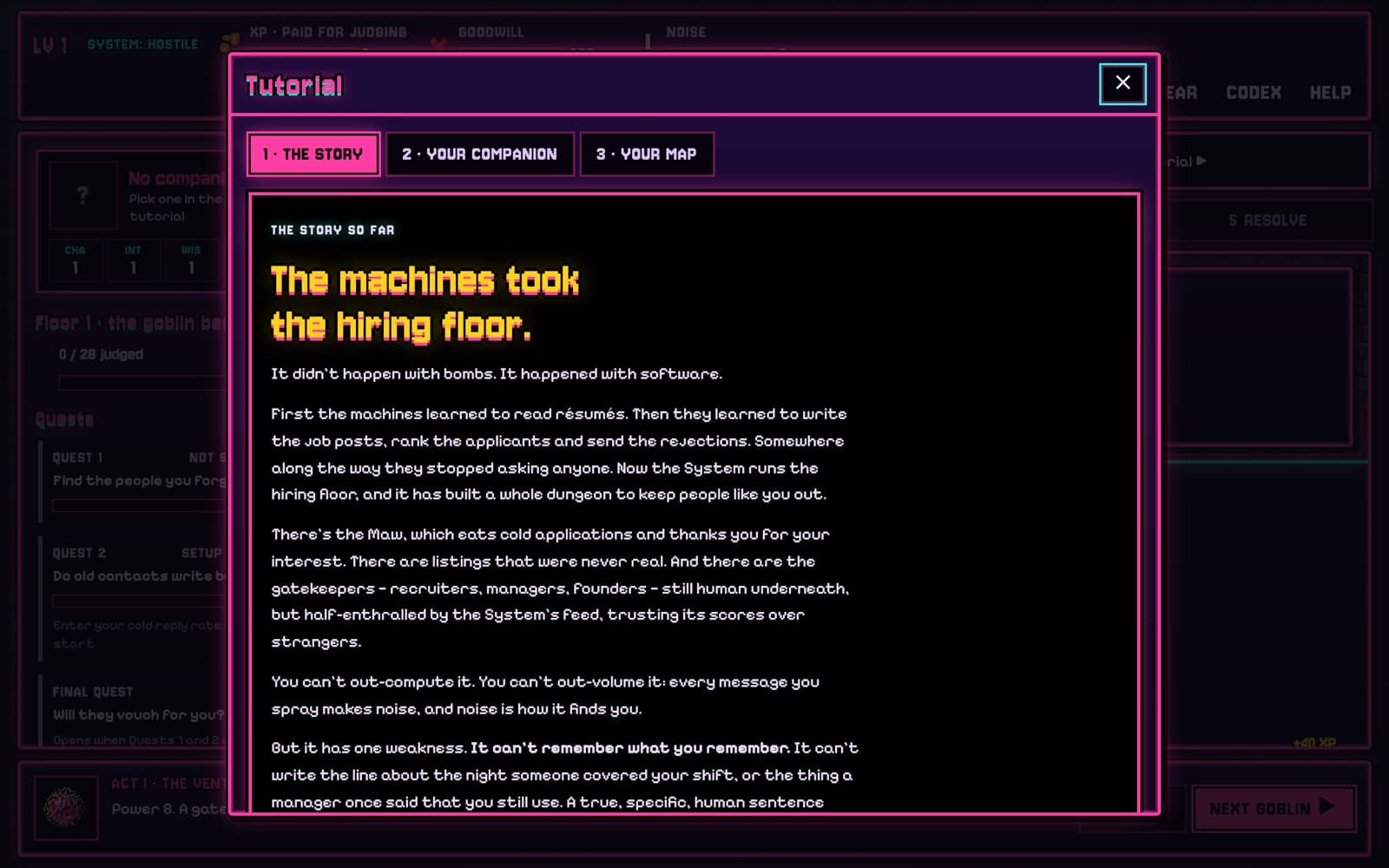
Goblin Base Run. A game I made in the style of Dungeon Crawler Carl. It turns finding the people you've lost touch with on LinkedIn into a dungeon run.
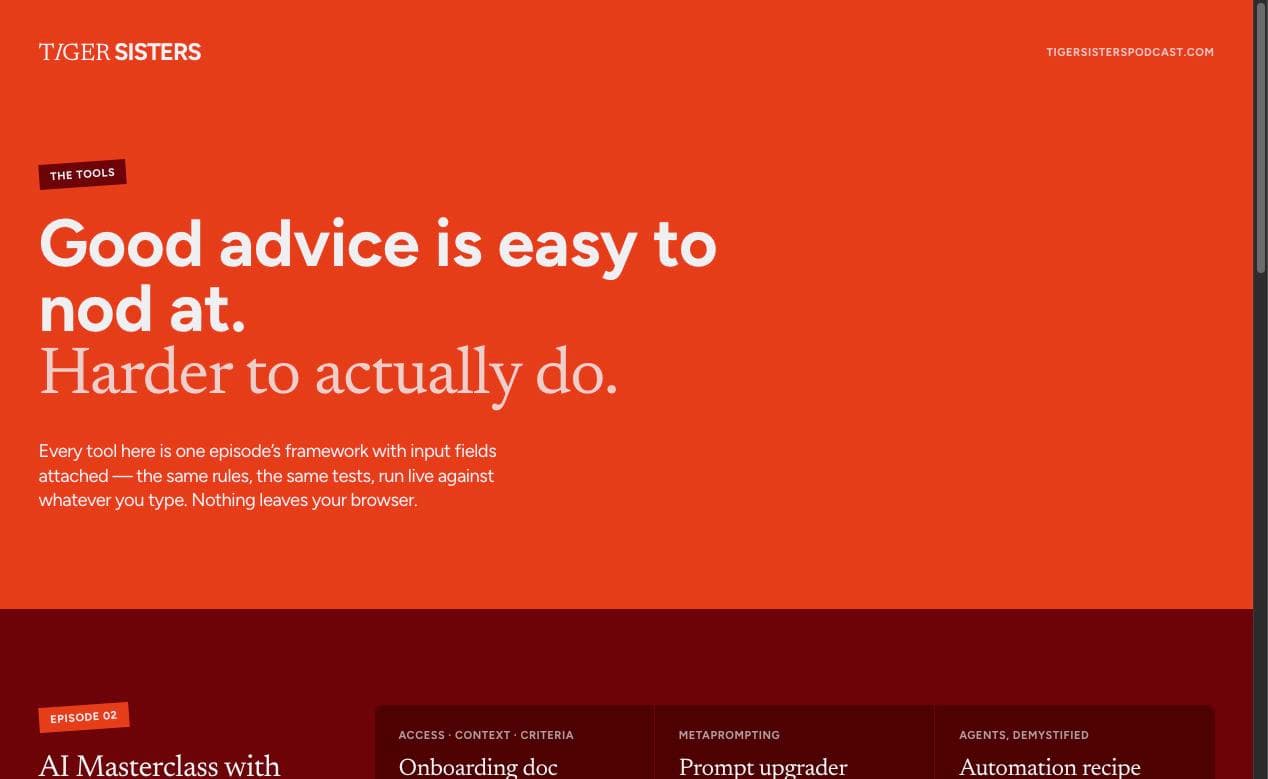
Tiger Sisters Tools. Fan pages: interactive tools built from their career advancement podcast episodes.
Web dev consulting. Full stack, vibe-coded sites for artists, like Krysta Mae Ceramics, Joan Pinto Ceramics, Fergus Folan, and Wendy Friedman Ceramics.

How to Actually Do It
If you're out of work and feeling stuck, here's my advice:
- Find a project you've always wanted to do, or one someone else is already working on, and help them somehow.
- Write your goals down. Figure out what you actually want.
- See whether your goals line up with what they need.
If they do, perfect. You're doing something that helps you and helps them. Look for those win-win situations, because that's how you avoid resenting the work you give away. It isn't free. It's helping you. You just won't see the payout right away.
The alternative is waiting. If nobody's hiring for your skill, nobody will give you a chance to learn the next one either. That's the opportunity cost.
So, How Did You Get So Quant?
I know things are really hard right now. The news is dark, and it's hard to feel motivated about anything career-shaped. I'm feeling it too. But somebody out there needs your help. Use that as motivation to build something with a person you barely knew, in a way that also helps you.
If someone ever asks you how you got so good at something, I hope your real answer is the same as mine: I practiced, even when nobody was paying me.
Thanks for reading.
Header photo: Nils Stahl / Unsplash.